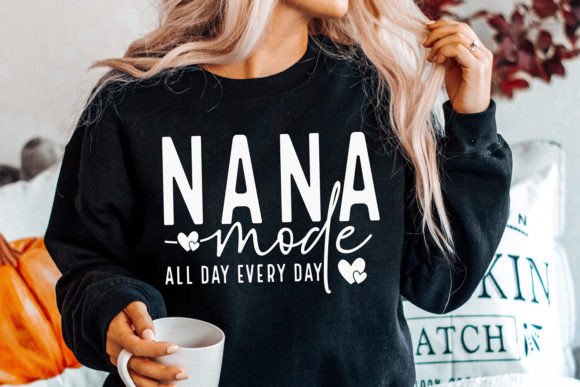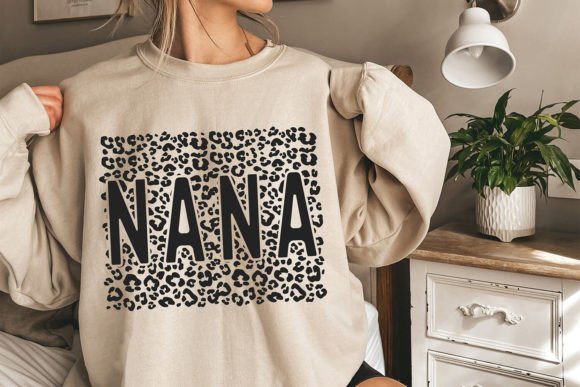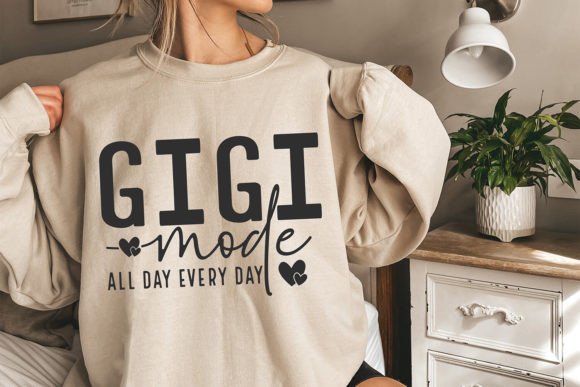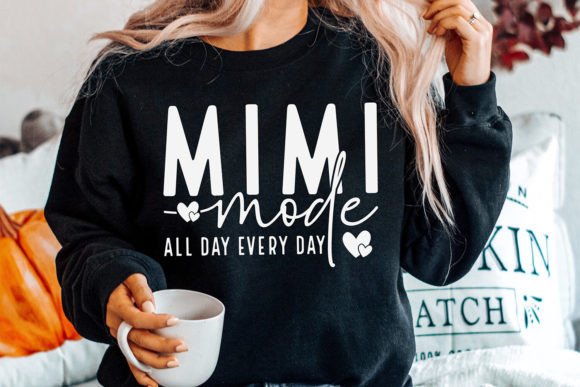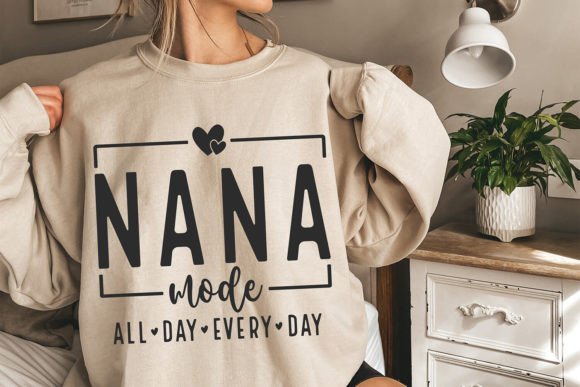
Nana SVG, Grandma SVG, Nana PNG
As an embroidery designer and product reviewer, I’ve seen my fair share of digital files that promise a lot but deliver little. The Nana SVG, Grandma SVG, and Nana PNG files from this digital download are no exception. They offer a simple yet charming aesthetic that could work well in the right context—but like any design, their success depends on how you apply them.
First Impressions: A Warm, Nostalgic Vibe
The first thing that stands out about Nana SVG, Grandma SVG, Nana PNG is the mood they evoke. These designs have a soft, nostalgic feel—think family heirlooms, handwritten notes, and cozy home decor. The shapes are clean, the layout is balanced, and the details are subtle enough to avoid looking cluttered. This makes them ideal for projects that aim to feel personal and heartfelt.
The visual personality of these files leans toward traditional crafts. They’re not flashy or modern, but they have a timeless quality that can fit into a variety of settings—from baby items to holiday gifts. The simplicity of the lines suggests that they were designed with practicality in mind, which is a big plus for anyone looking to create handmade products or personalized gifts.
Real-World Use: What Works and What Doesn’t
When it comes to real-life embroidery situations, Nana SVG, Grandma SVG, Nana PNG perform best on larger, flat surfaces. Think tote bags, sweatshirts, or pillow covers. Their size and structure make them easy to hoop and stitch without too much hassle. However, they may not be the best choice for small hoop sizes or curved surfaces like caps or hats, where the design might get distorted or lose its clarity.
On textured fabrics, such as canvas or denim, the design holds up reasonably well. But on thin or stretchy materials, you’ll need to use the right stabilizer to prevent puckering or distortion. For dark fabrics, the contrast between the design and the background can be an issue unless you choose thread colors that stand out clearly.
These files also work well as applique designs, especially when using satin stitch or fill stitch techniques. The detail level is sufficient for most applications, though intricate corners or tiny lettering may require some extra attention during the stitching process.
Where to Use Them Carefully
While Nana SVG, Grandma SVG, Nana PNG are versatile, there are certain scenarios where they might not shine. For example, if you're working on a project that requires frequent washing, you’ll want to ensure the design is durable enough to withstand repeated cycles. Similarly, if you're planning to use them on layered garments or complex patterns, you’ll need to test the design thoroughly before committing to a full production run.
For commercial embroidery projects, it’s important to check the licensing terms before selling finished items or digital products. While the files themselves are downloadable, their usage rights may vary depending on the seller’s policies. Always confirm that the design is suitable for your intended purpose before proceeding.
Impact on Visual Appeal and Customer Perception
When it comes to visual appeal, Nana SVG, Grandma SVG, Nana PNG can add a warm, inviting touch to any project. Their clean lines and simple shapes make them easy to recognize, which is great for branding or product consistency. Customers often respond positively to designs that feel authentic and handmade, and these files can help reinforce that impression.
Stitching clarity is another factor to consider. If the design is too dense or has too many small details, it may not translate well to fabric. That’s why it’s always a good idea to test the design on scrap fabric before using it on a final product. Checking the stitch density and adjusting the design as needed can make a big difference in the final outcome.
Practical Tips for Embroidery Designers
Before using Nana SVG, Grandma SVG, Nana PNG in your projects, here are a few tips to keep in mind:
- Test on scrap fabric: Always try the design on a sample piece of fabric to see how it looks and feels.
- Check thread color contrast: Make sure the thread color complements the fabric and enhances the design.
- Review stitch density: Adjust the density if needed to avoid issues like puckering or uneven stitching.
- Confirm hoop size: Ensure the design fits within your machine’s hoop size to avoid cropping or distortion.
- Inspect small details: Look closely at corners, curves, and lettering to make sure everything is clear and well-defined.
- Test in black and white mockups: This helps you see how the design will look on different fabric backgrounds.
- Compare light and dark fabric: Some designs may look better on one than the other, so it’s worth testing both.
- Use proper stabilizer: This is crucial for preventing puckering, especially on delicate or stretchy fabrics.
- Check for commercial use: Confirm that the design is licensed for your intended use, whether it’s for personal or business purposes.
Best Fit for Different Projects
Nana SVG, Grandma SVG, Nana PNG are particularly well-suited for custom apparel, embroidered patches, and tote bag designs. They can also work well for baby items, holiday gifts, and personalized products that require a warm, handmade feel. For small shop merchandise or Etsy listings, these files can add a unique touch that sets your products apart.
They’re also great for printable mockups or digital product previews, as their clean lines and simple shapes make them easy to adapt to different formats. Whether you’re creating a new line of craft business items or updating your boutique branding, these designs can help you maintain a consistent and professional look.
Final Thoughts: A Useful Addition to Your Design Library
In summary, Nana SVG, Grandma SVG, Nana PNG are solid choices for embroidery designers and crafters who want to add a nostalgic, personal touch to their projects. They’re not perfect for every situation, but when used correctly, they can enhance the visual appeal and value of your handmade products.
As with any digital embroidery file, it’s important to approach them with a critical eye and a willingness to test and adjust as needed. By doing so, you can ensure that the final product meets your standards and exceeds your customers’ expectations.